
The Unshakeable Soul of Singapore’s Shophouses
13 November 2025
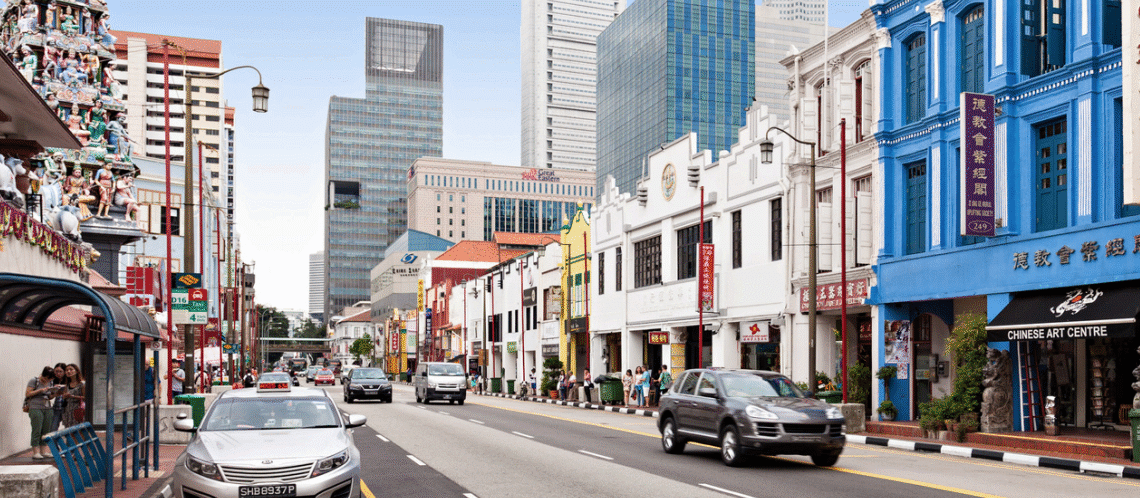
Singapore is often celebrated as one of the world’s most efficient, modern, and meticulously planned cities. Yet beneath this sleek exterior lies a quieter story — one of memory, identity, and the struggle to hold onto the soul of a place that is constantly reinventing itself.
I still remember walking through the old Bugis shophouses on my way to school in the 1980s — the clatter of mahjong tiles, the aroma of garlic wafting from family-run eateries, and the sight of Samsui women moving with quiet determination. It was messy, crowded, and imperfect, but it was alive.
Today, that version of Singapore exists only in memory. Modern developments have brought comfort and cleanliness, but also a creeping sameness — what urban scholars call placelessness. A mall in Punggol feels like one in Bishan. Streets feel efficient but interchangeable. Convenience has come at the cost of character.
As the city continues to modernise, the question is no longer just how to preserve our heritage — but how to keep it alive. Shophouses show us that Singapore can be both progressive and soulful. They remind us that our built environment is not merely functional; it is emotional, historical, and deeply human.
- For investors, shophouses offer one of the most compelling long-term asset classes in the market.
- For Singaporeans, they anchor the stories that make this city home.
Discover:
- Why shophouses are the antidote to a soulless city
- How URA’s conservation became a masterstroke of national identity
- The hidden investment logic behind high prices and low yields
- Why freehold commercial shophouses are quietly becoming the “holy grail”
- How investors today can protect heritage and build multi-generational wealth
This is more than a real estate story — it’s a story about culture, memory, investment strategy, and the future of Singapore’s soul.
👉 Click the PDF to read the full, in-depth analysis.